
-
What do I do? Planetary Geophysics
I investigate the structure, composition, and evolution of rocky planetary interiors and in particular, the deep interior of our Moon!
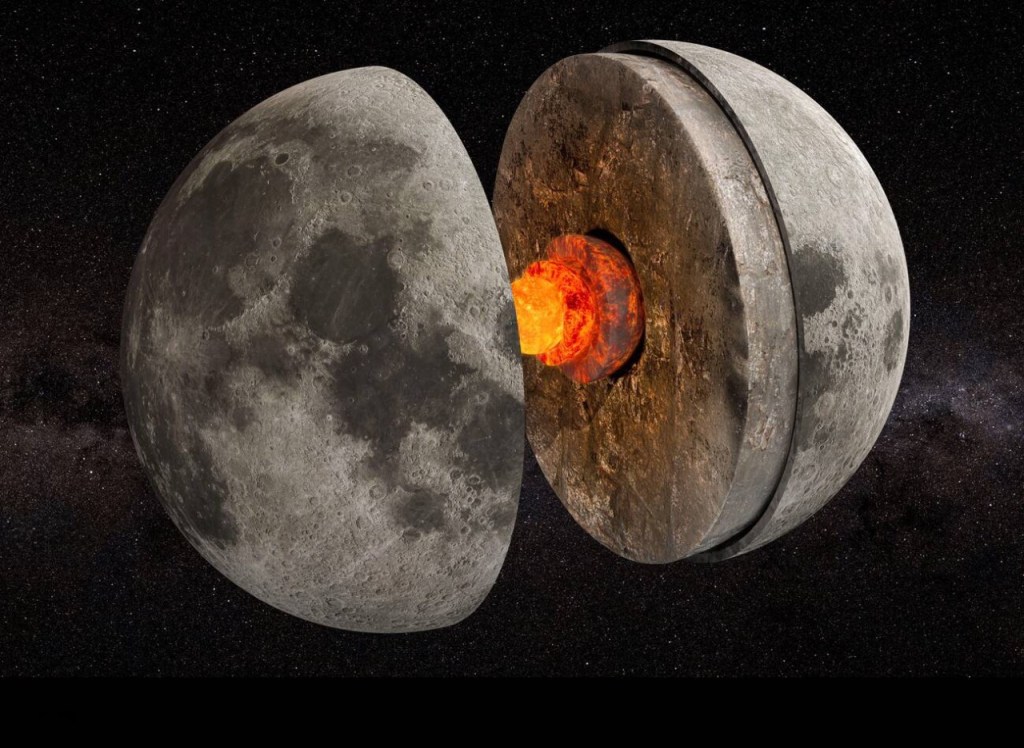
How?
To understand how a planet looks like inside, we use a combination of geophysical methods.
On the Moon and Mars, missions like Apollo and INSIGHT carried, among other instruments, seismometers, that allowed to investigate the way seismic waves traveled across the bodies.
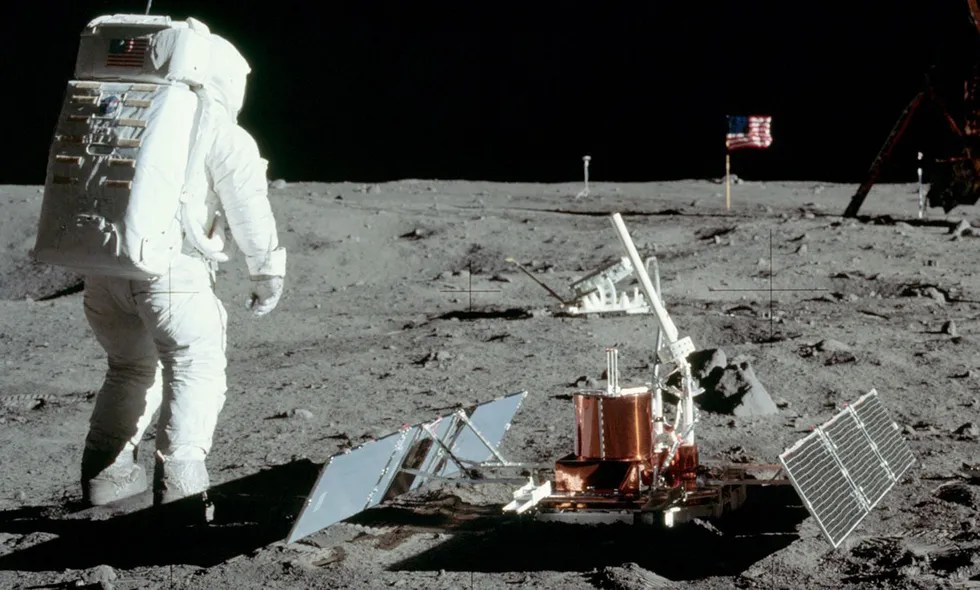
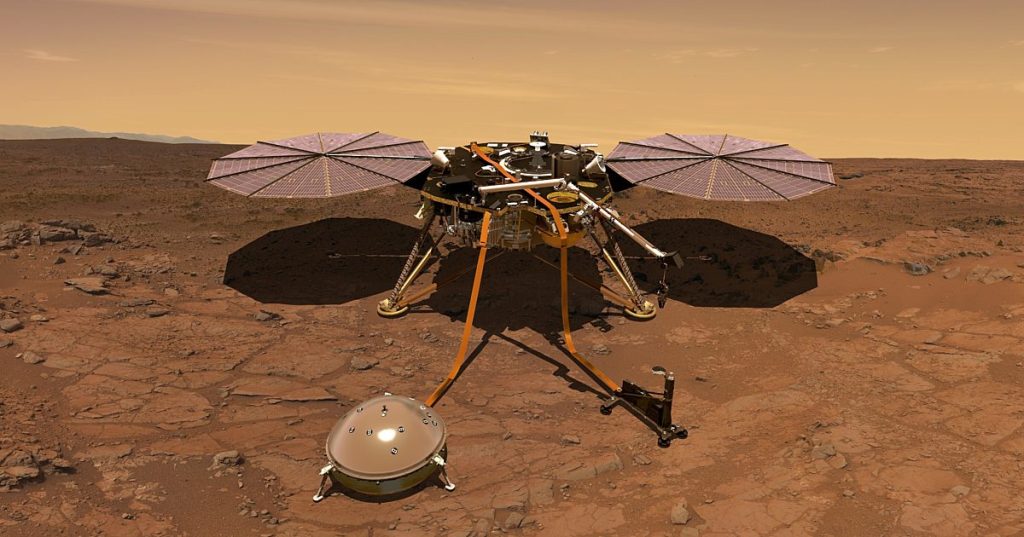
By analyzing how seismic waves travel through the planetary interior, we can infer variations in the thermo chemical structure, composition or density. This allows us to reconstruct the internal layering of the body, such as crust, mantle, and core, and to better understand its thermal and dynamical evolution.

In many cases, direct measurements from the surface are not possible, either due to extreme conditions, such as the high temperatures and pressures, like on Venus, or because observations are limited to orbiting spacecraft.
In these situations, we rely on alternative datasets, including gravity and tidal measurements, librations, conductivity and magnetic fields recordings, which can be obtained remotely.
By combining these diverse datasets, we are gradually building a clearer picture of the internal structures of the Moon, shedding light on their formation and long-term evolution.

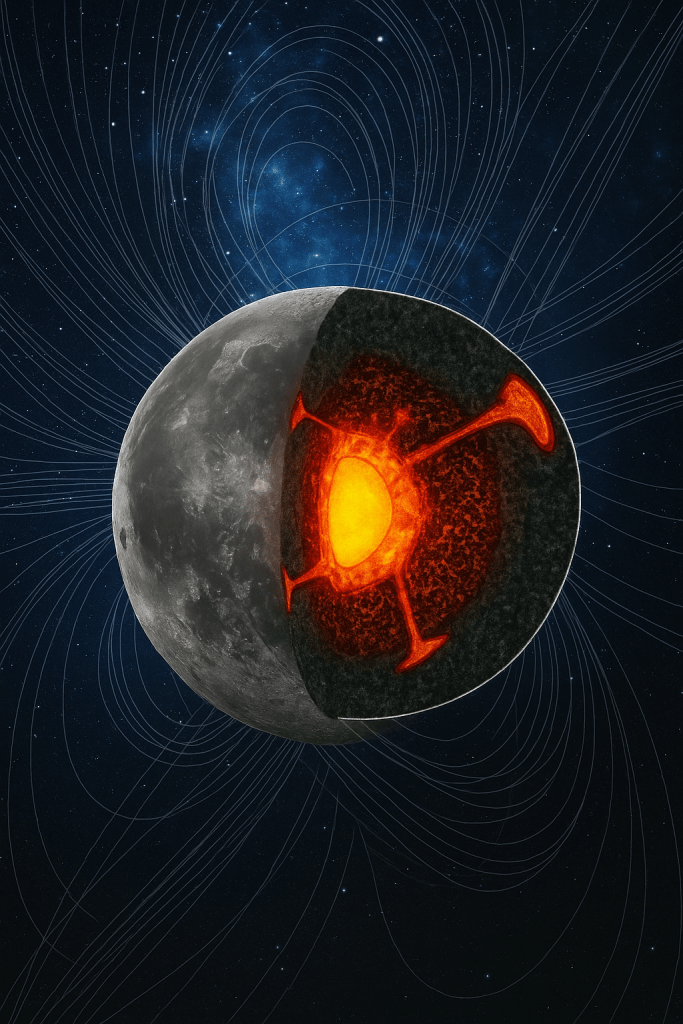
Future?

The future missions to the Moon, the Far Seismic Suite (FSS), landing our lab’s developed seismometer by the end of 2027, will revitalise lunar seismology after more than 50 years from the Apollo missions.
I look forward to analyze the FSS data and discover what the deepest interior of our satellite looks like!
 Ramon Margarit